
Rajiv Sharma
Founder & Travel Expert
Why the Golden Triangle?
No trip to India is complete without witnessing the Taj Mahal at sunrise, the imposing ramparts of Amber Fort, and the labyrinthine lanes of Old Delhi. These three cities sit within 250 km of each other, making them the perfect introduction to India's architectural and cultural legacy. The circuit is well-connected by road, rail, and a growing network of expressways — so logistics are far simpler than most travellers expect.
The Best Time to Visit
October through March is peak season — temperatures are pleasant (15–25°C), skies are clear, and visibility at the Taj Mahal is exceptional. Avoid May and June: temperatures in Agra and Jaipur regularly exceed 44°C. If you must travel in summer, book hotels with good air-conditioning well in advance and plan all sightseeing before 10 AM. Monsoon (July–September) brings relief from the heat but can make road travel unpredictable.
Delhi: More Than Just a Gateway
Most travellers treat Delhi as an overnight stop, but the city deserves at least two full days. Humayun's Tomb — a Mughal masterpiece that inspired the Taj Mahal itself — is far less crowded and equally stunning. Qutub Minar, with its perfectly proportioned 73-metre tower, is best visited in the early morning light. For a contrast, spend an afternoon in Hauz Khas Village: a medieval reservoir now surrounded by design studios, cafes, and street art.
Agra: The City of the Taj
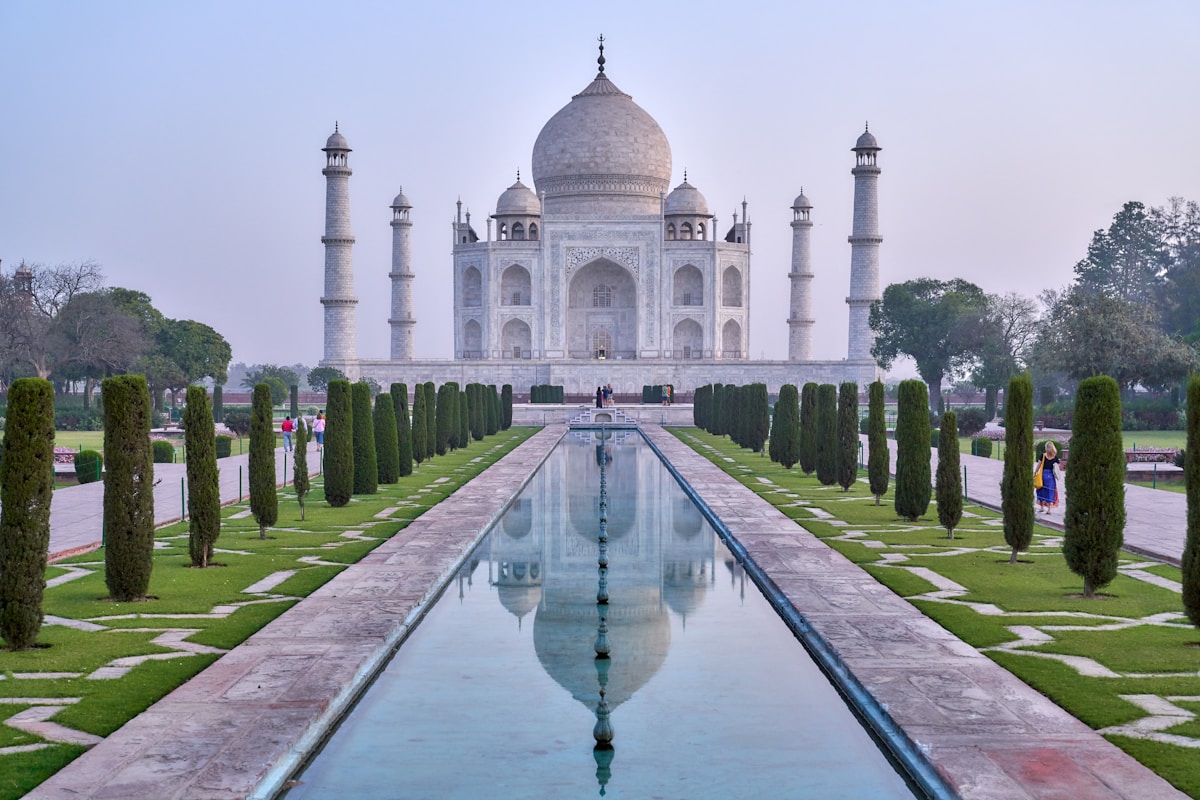
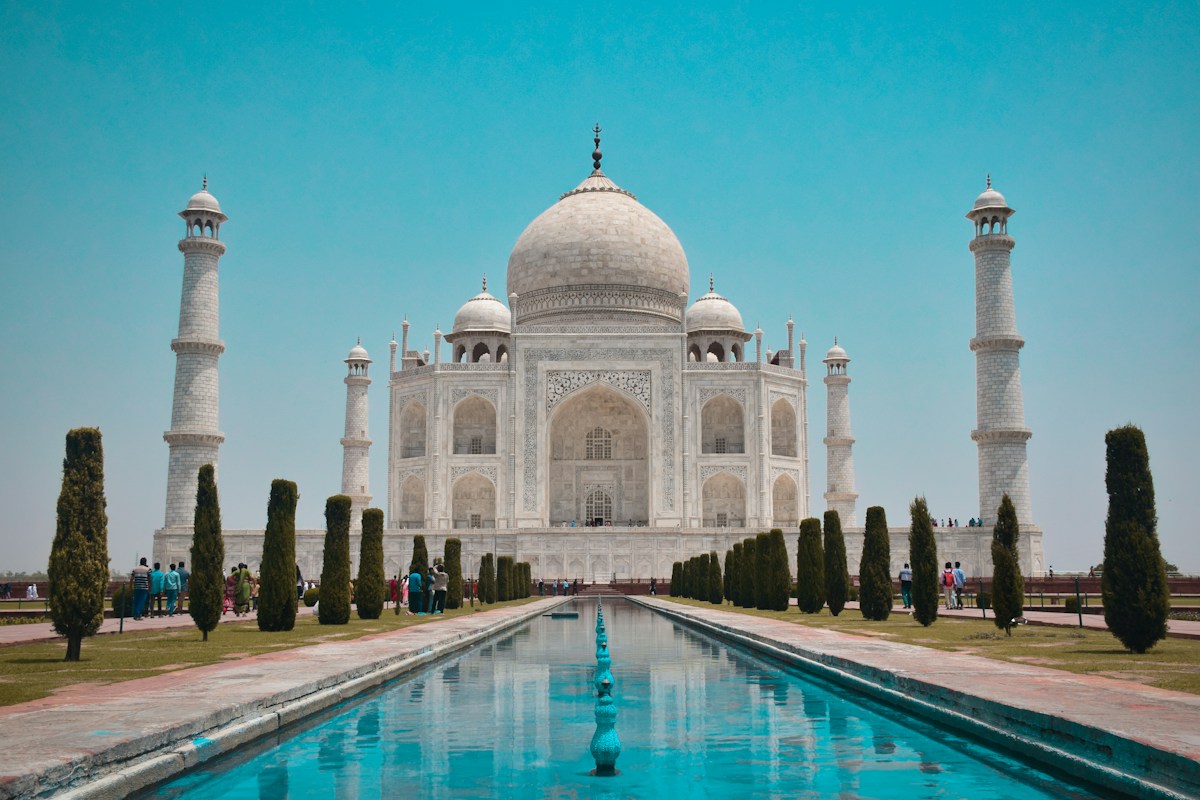
Book the pre-dawn entry to the Taj Mahal — the monument turns a deep rose-gold at sunrise that no photograph fully captures. The Agra Fort, just 2 km away, offers a view of the Taj from Shah Jahan's marble prison chamber that is deeply moving. One often-overlooked gem: Itmad-ud-Daulah, nicknamed the 'Baby Taj', is a smaller but exquisite mausoleum that feels entirely personal in scale. Plan at least four hours in Agra beyond the Taj alone.
Jaipur: The Pink City
Jaipur demands at least a day and a half. Start with Amber Fort in the early morning — the elephant ride is optional but memorable. The City Palace is still partially inhabited by the royal family and opens for public tours; the textile museum inside is among the finest in Rajasthan. For shopping, head to Johari Bazaar for jewellery and Bapu Bazaar for block-printed fabrics. End the day watching the sunset from Nahargarh Fort overlooking the city.
Practical Tips
Pre-book all major monument tickets online — queue times for the Taj Mahal walk-in counter can exceed two hours. Hire a licensed Archaeological Survey of India (ASI) guide at each site rather than freelancers at the gate. Carry a reusable water bottle and refill at hotel lobbies. Dress modestly (covered shoulders and knees) to ensure smooth entry to all religious sites. Carry some cash — many smaller eateries and auto-rickshaws do not accept cards.
Topics
Related Articles
More stories from Heritage